

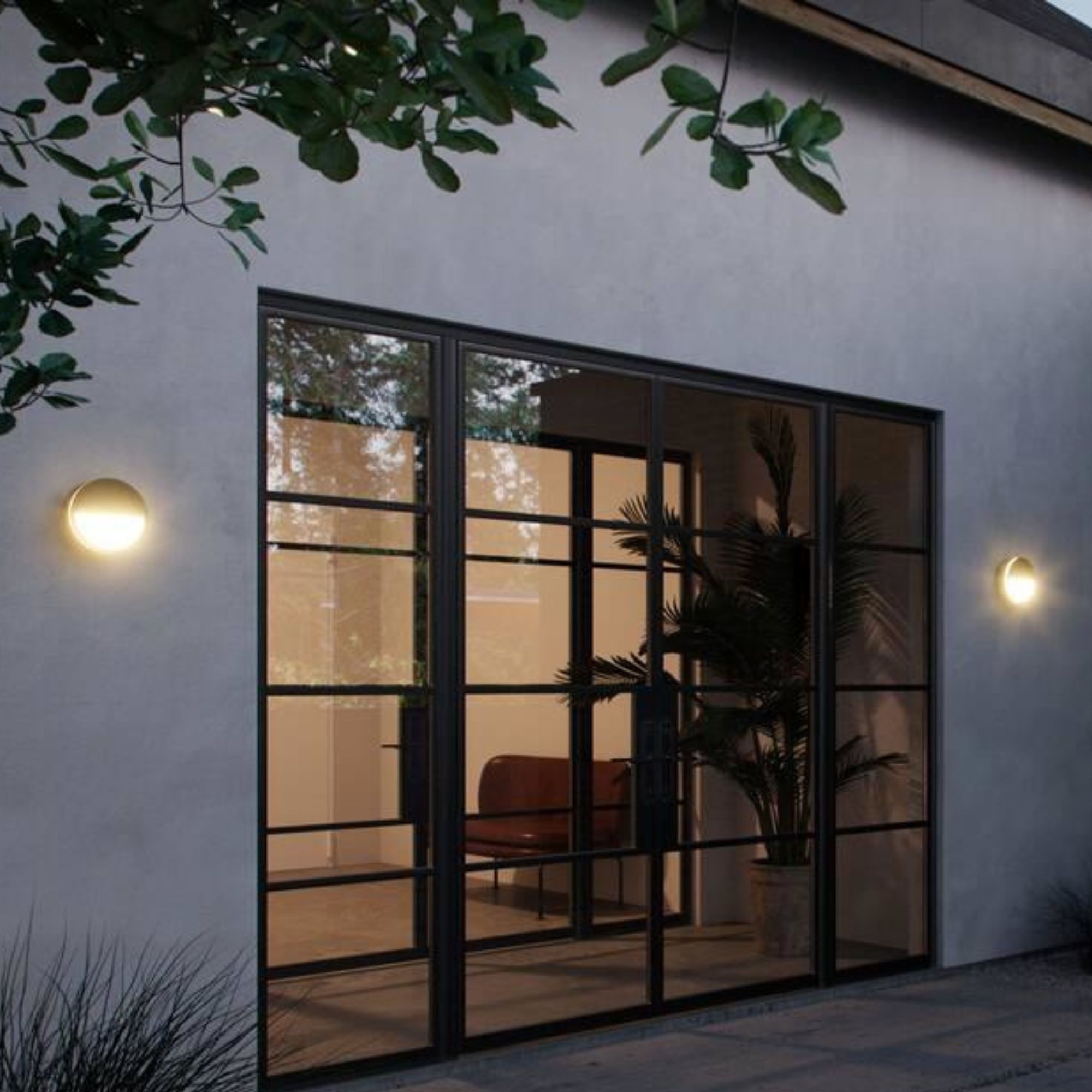

Choosing Outdoor Wall Lights for Your Home
While not everyone will walk through every corner of your outdoor space, your home’s facade is on show from the street every night. Well-chosen outdoor wall lights make a house look welcoming and well-kept, guide guests safely to the door, and turn patios and alfresco areas into rooms you actually use after dark. Here’s how the main styles compare.
Up & Down Wall Lighting
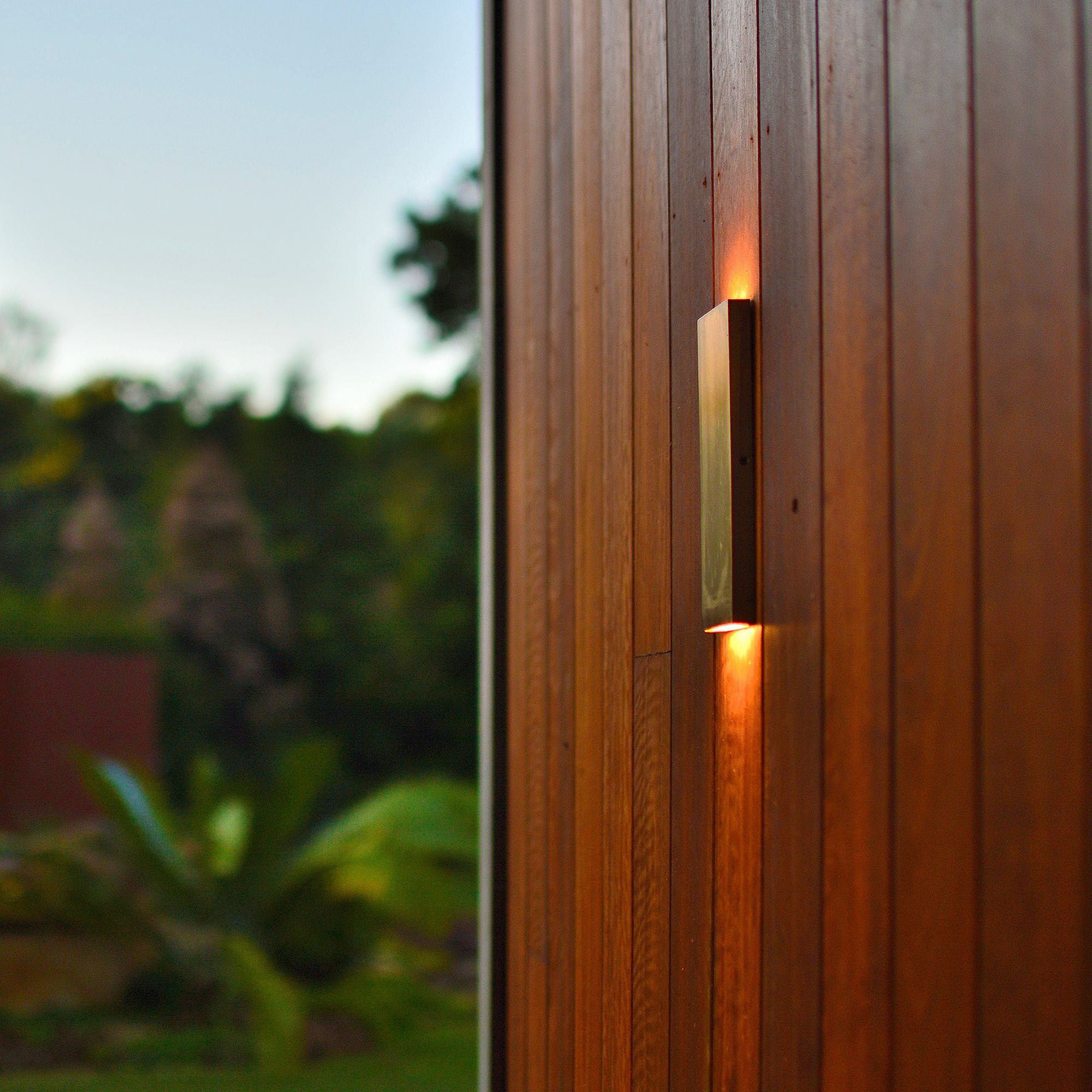
Up and down wall lights throw light both upward and downward, creating a dramatic effect that’s ideal for highlighting architectural features and rendering texture on external walls. They add depth and dimension to a facade like nothing else on this page.
Bunker & Coach Lights
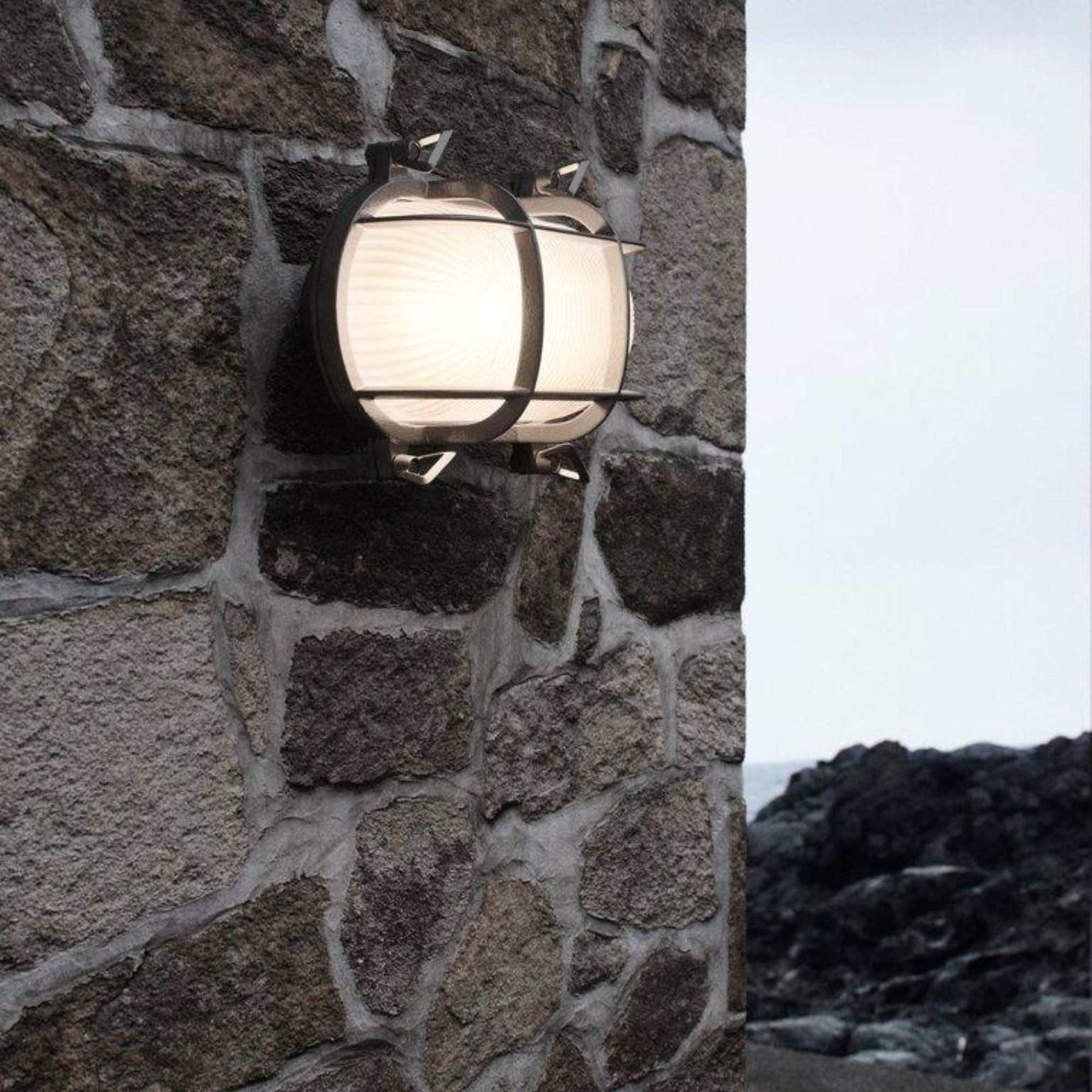
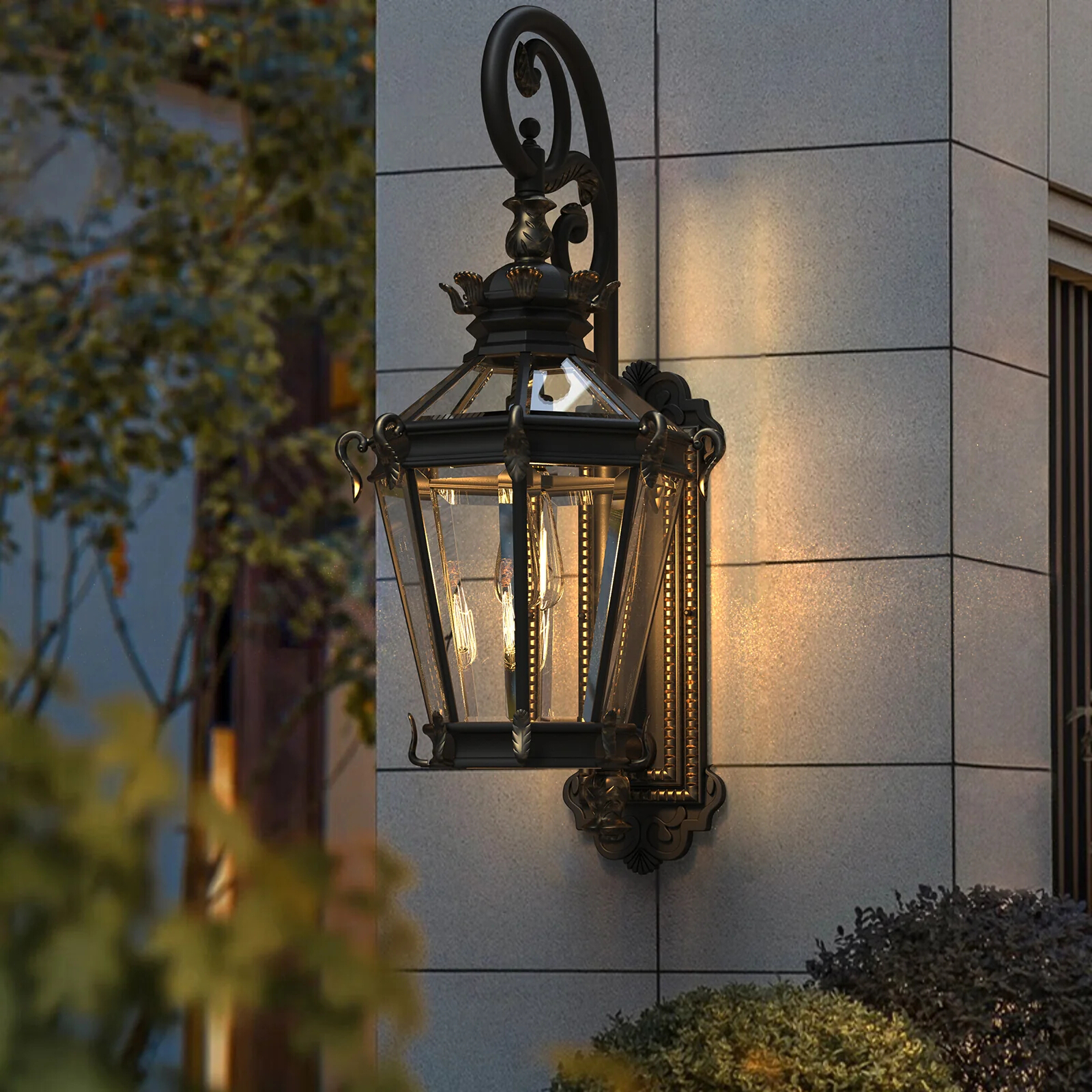
Bunker lights provide rugged, weather-resistant illumination with an industrial edge — a natural fit for entrances, walkways and coastal homes that need something sturdy. Coach lights take the opposite route: a classic, traditional silhouette that adds charm and curb appeal to an entryway.
Sensor, Flood & Spotlights
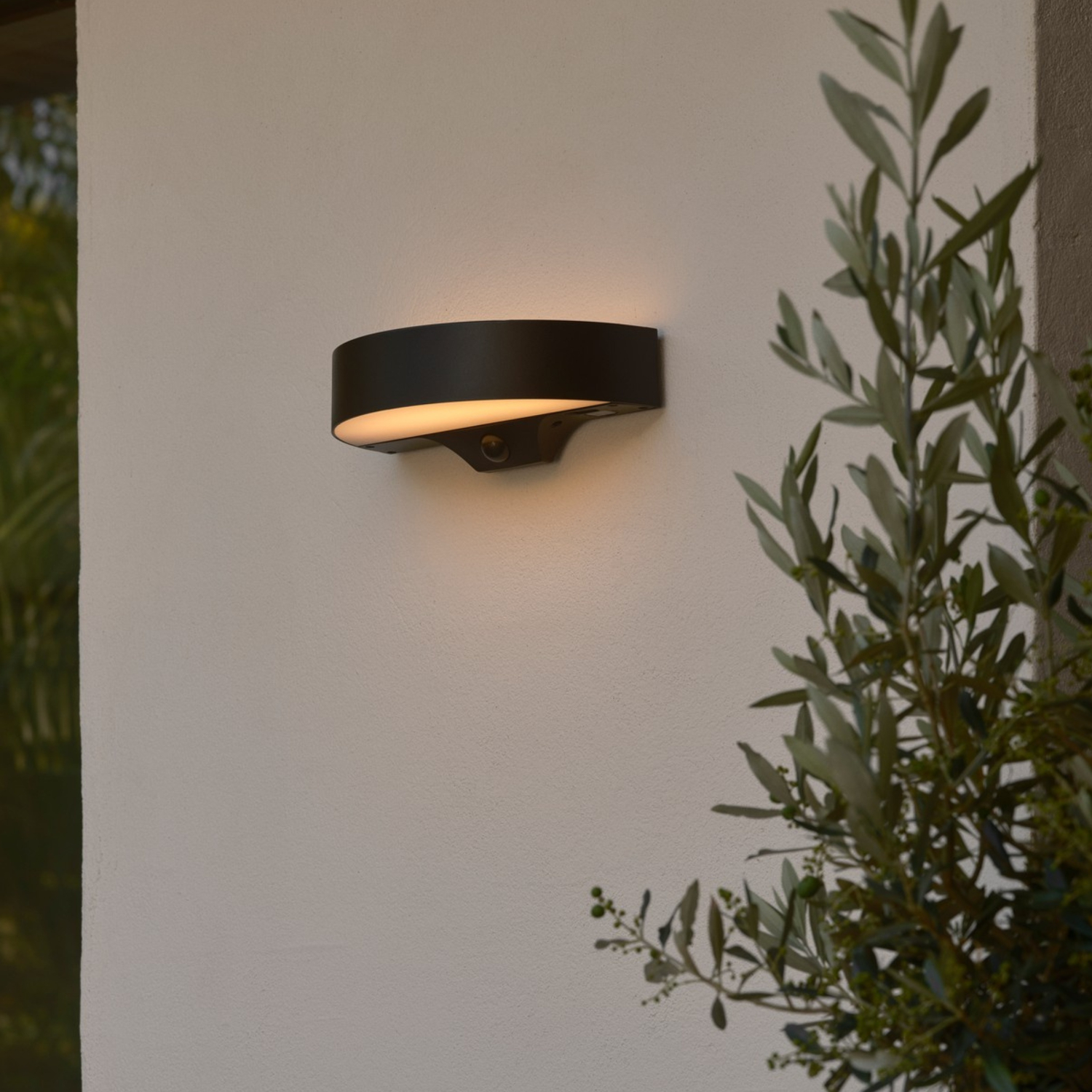
For security and convenience, outdoor sensor lights switch on as you (or anyone else) approach — ideal at side paths, driveways and entries. Flood lights wash broad areas like driveways and backyards in light, while outdoor spotlights do the fine work: picking out trees, sculptures and architectural details for dramatic effect.
Porch, Step, Barn & Brick Lights
Porch lights create a warm, welcoming glow at the front door. Step lighting makes stairs and walkways safe to navigate after dark. Barn lights bring rustic charm with strong, focused downward light, and brick lights recess into walls for subtle, low-level illumination along paths and garden walls.
Outdoor Wall Light FAQs
What IP rating do outdoor wall lights need?
Under a covered porch or eave, IP44 is generally sufficient; fully exposed walls call for IP65 or higher. Coastal homes should also look for corrosion-resistant finishes such as 316 stainless steel or coastal-rated coatings — each product page lists its rating.
What height should outdoor wall lights be mounted?
As a rule of thumb, mount wall lights about 1.6–1.8 m above ground level — roughly eye height — and around a quarter to a third of the way across the width of the feature they’re lighting. Beside a front door, a matched pair either side at this height looks most balanced.
Do outdoor wall lights need an electrician?
Yes — hardwired 240V outdoor fittings are licensed electrical work in Australia. A licensed electrician will also confirm each fitting’s IP rating suits its exposure.
Are outdoor wall lights good for security?
Very — a lit facade is one of the simplest deterrents there is. Pairing fixed wall lights with motion sensor lights at side paths and dark corners covers both ambience and security without leaving everything on all night.