Find the Right Floor Lamp for Your Space
A well-chosen floor lamp does more than fill a dark corner — it layers your lighting, anchors a reading nook and adds height and sculpture to a room without a single hole in the ceiling. Here’s how to choose the right one from our designer floor lamps collection.
By Type
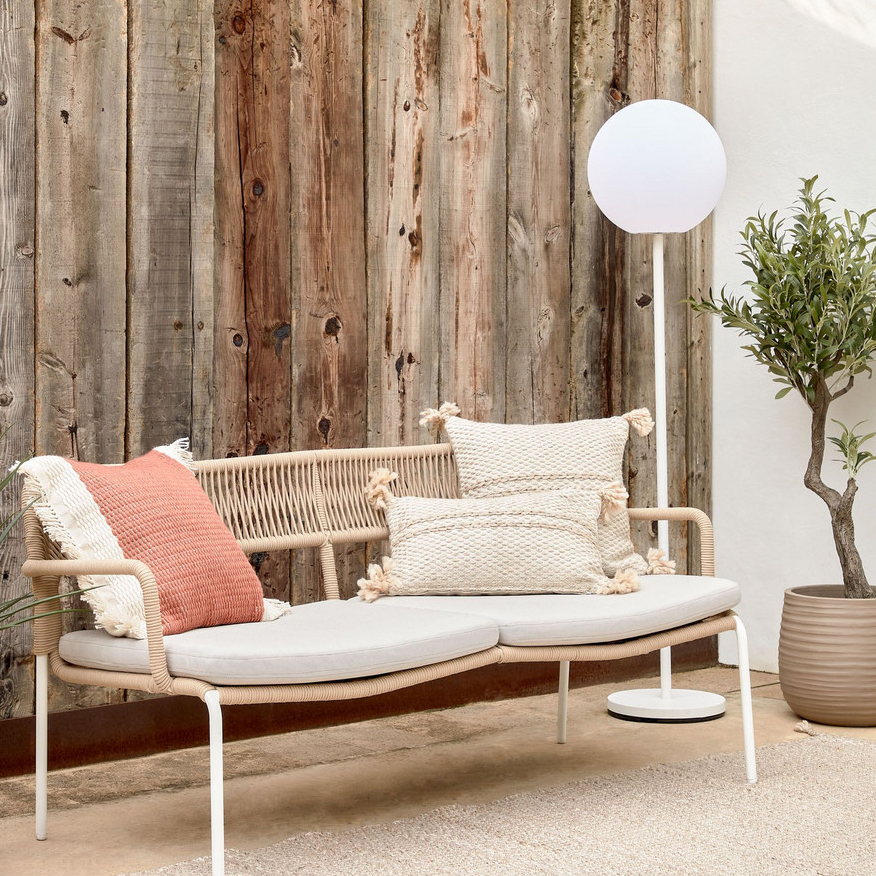
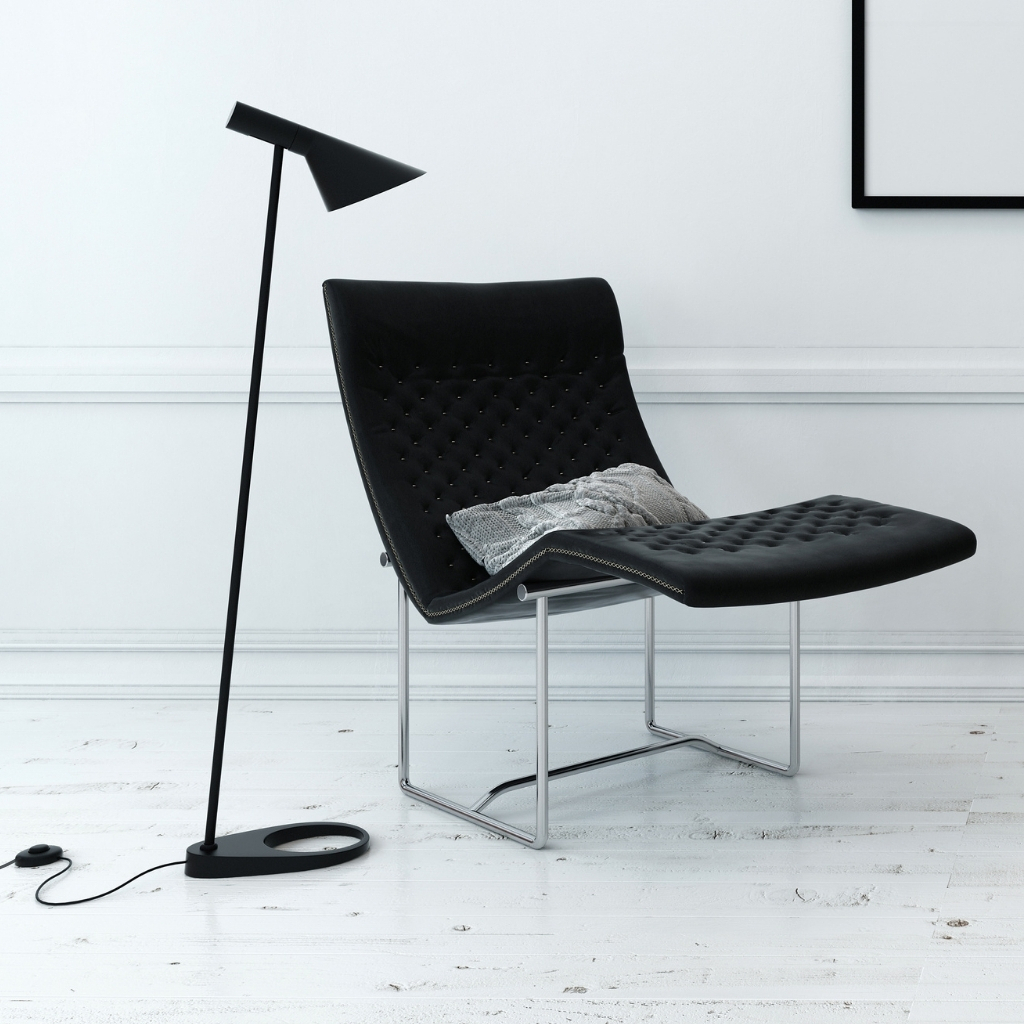
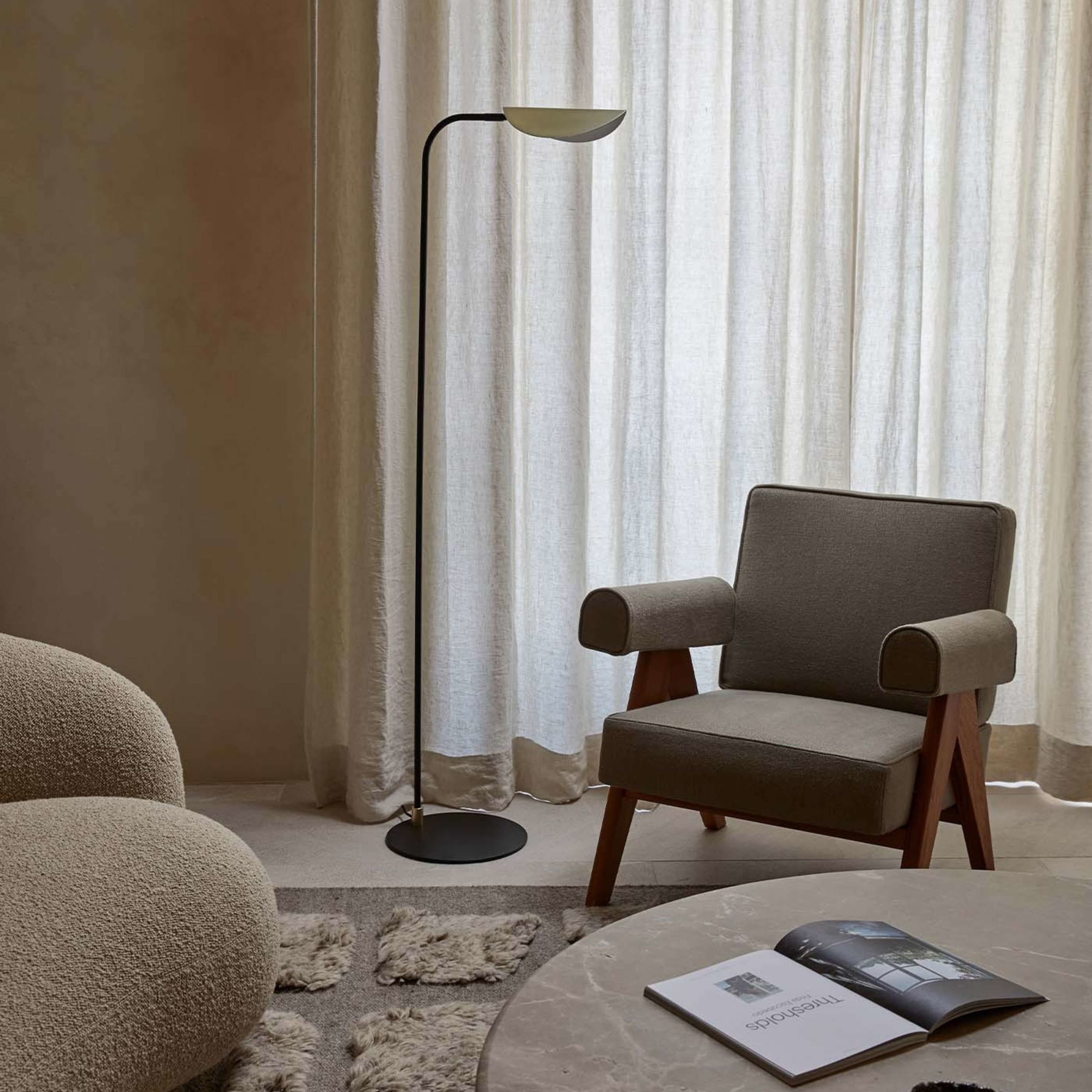
Arc floor lamps curve overhead to light a sofa or armchair from above — ideal when you want the effect of a pendant without any wiring. Tripod floor lamps bring a classic mid-century silhouette that suits corners and sideboards. Reading floor lamps put focused, adjustable light exactly where you need it, while uplighter floor lamps wash light off the ceiling for a soft, ambient glow.
By Style and Finish
Browse black floor lamps for a modern edge, brass floor lamps for warmth and a touch of luxury, or timber and wicker floor lamps for coastal and Scandi-inspired interiors. Matching an era? Our mid-century and industrial floor lamps collections are curated for exactly that look.
Getting the Height Right
For general use, choose a floor lamp between 150–180 cm tall so the light source sits above eye level when standing and below it when seated. For reading, the bottom of the shade should sit at about shoulder height when you’re seated — roughly 100–120 cm from the floor — so light falls on the page, not in your eyes.
Floor Lamp FAQs
How tall should a floor lamp be?
Most floor lamps sit between 150 and 180 cm. As a rule, the bottom of the shade should be at or just below eye level when you’re seated nearby (roughly 95–110 cm from the floor) so the bulb is never glaring at you directly.
Where should I put a floor lamp in a living room?
The classic spots are beside or just behind a sofa or armchair, in a dark corner to balance the room’s light, or next to a sideboard or console. Arc lamps work best behind seating; tripods and slim column lamps suit corners.
How bright should a floor lamp be?
For ambient lighting, look for around 800–1,100 lumens (a 60–75W equivalent LED). For a dedicated reading lamp, 450–800 lumens of focused light is plenty. Warm white (2700–3000K) suits living areas and bedrooms best.
Do floor lamps use much electricity?
Not with LED bulbs. A typical LED floor lamp draws 8–12 watts — just a few cents per evening even at current Australian electricity prices. Most lamps in our range take standard E27 or B22 bulbs, so you can choose dimmable or smart bulbs to suit.
Can I use a smart bulb in a floor lamp?
Yes — any lamp with a standard E27, B22 or E14 socket will take a smart bulb, letting you dim or schedule the lamp from your phone without a dimmer switch.
How to Choose a Bedside Lamp
Size and Height
The most common mistake is going too small. Your bedside lamp should be roughly two-thirds the height of your bedside table, and when you’re sitting up in bed, the bottom of the shade should sit at about chin-to-eye level. On a standard 55–65 cm bedside table, that means a lamp around 45–65 cm tall.
Pick Your Switching
Touch lamps let you tap the base to cycle brightness — no fumbling for a switch in the dark, which makes them the perfect bedtime lamp for late-night readers. Prefer a classic switch? Look for in-line cord switches you can reach from bed. Most of our bedside lamps take standard E27 or E14 bulbs, so you can also add a smart bulb for voice control and sleep timers.
Match the Mood with the Right Bulb
For bedrooms, warm white (2700K) is the standard choice — easier on your eyes at night and better for winding down. A 400–700 lumen bulb is ideal: bright enough to read by, soft enough not to light the whole room. Browse warm white bulbs and dimmable bulbs to pair with your lamp.
Style It to Your Bedroom
Pair ceramic table lamps with linen shades for a relaxed coastal look, brass table lamps for warmth and a hotel-luxe feel, or black table lamps for modern and industrial bedrooms. Buying two? Matching pairs on each side of the bed instantly balance the room.
Bedside Lamp FAQs
What height should a bedside lamp be?
Around 45–65 cm tall for a standard bedside table. The test: sitting up in bed, the bottom of the shade should sit roughly level with your chin or eyes, so you get light on your book without glare from the bulb.
Should bedside lamps match?
They don’t have to, but matching pairs create symmetry and make a bedroom feel considered — the safest choice for main bedrooms. Mismatched lamps can work in eclectic or guest rooms, as long as they’re a similar height.
What’s the best bulb for a bedside lamp?
A warm white (2700K) LED between 400 and 700 lumens. Warmer light in the evening supports your natural wind-down; save cool white for studies and workspaces, not bedrooms.
Are touch lamps worth it?
If you read in bed or share a room, yes — tapping the lamp off without finding a switch is genuinely useful, and most touch lamps offer three brightness levels so you can go dim for late nights.
How far should a bedside lamp be from the bed?
Sit the lamp centred on your bedside table, usually 30–60 cm from the edge of the mattress. Close enough to reach comfortably, far enough that you won’t knock it reaching for your phone.