

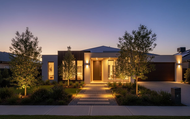
Complete Outdoor Lighting Design Tips: Landscape & Garden Lighting Guide for Australian Homes
Posted by Zest Lighting on 20th Jan 2026
As twilight descends upon your Australian home, imagine a landscape bathed in a warm, inviting glow, where architectural details are subtly accentuated, and garden features come alive. Thoughtful outdoor lighting design transforms your property into an enchanting sanctuary, extending your living space and enhancing your lifestyle.
Our guide illuminates the essential principles and techniques for creating a sophisticated and functional outdoor lighting scheme that complements the unique character of Australian homes.
Understanding outdoor lighting design fundamentals
Creating an exceptional outdoor lighting scheme transforms your property into a captivating evening sanctuary that extends your living space well beyond the walls of your home. The art of thoughtful illumination goes far deeper than simply installing fixtures around your garden. It's about crafting an atmosphere that celebrates your home's unique character while serving practical needs.
The foundation of any successful outdoor lighting design rests on understanding the interplay between function and beauty. Consider how different areas of your outdoor space will be used throughout the evening hours. Entertainment zones require warm, welcoming illumination that encourages conversation and relaxation, while pathways demand clear, consistent lighting that ensures safe navigation. Security considerations call for the strategic placement of brighter fixtures that eliminate dark corners without creating harsh glare.
Modern landscape lighting systems predominantly utilise low-voltage technology, operating at a safe 12 volts through transformer systems. This approach offers superior safety, energy efficiency, and installation flexibility compared to traditional high-voltage alternatives. The reduced power requirements also allow for more creative placement options and easier future modifications to your lighting scheme.
Successful outdoor lighting design embraces the principle of layering, which combines ambient, task, and accent lighting to create depth and visual interest. Ambient lighting provides overall illumination for general activities, task lighting focuses on specific functional areas, and accent lighting highlights architectural features or prized landscape elements. This layered approach ensures your outdoor spaces remain both practical and enchanting throughout the evening hours.
With a firm grasp of these fundamentals, the next step involves selecting the right fixtures. Let's explore the world of outdoor wall lights and how they can elevate your home's exterior.
Essential outdoor wall lights and fixture selection
 |
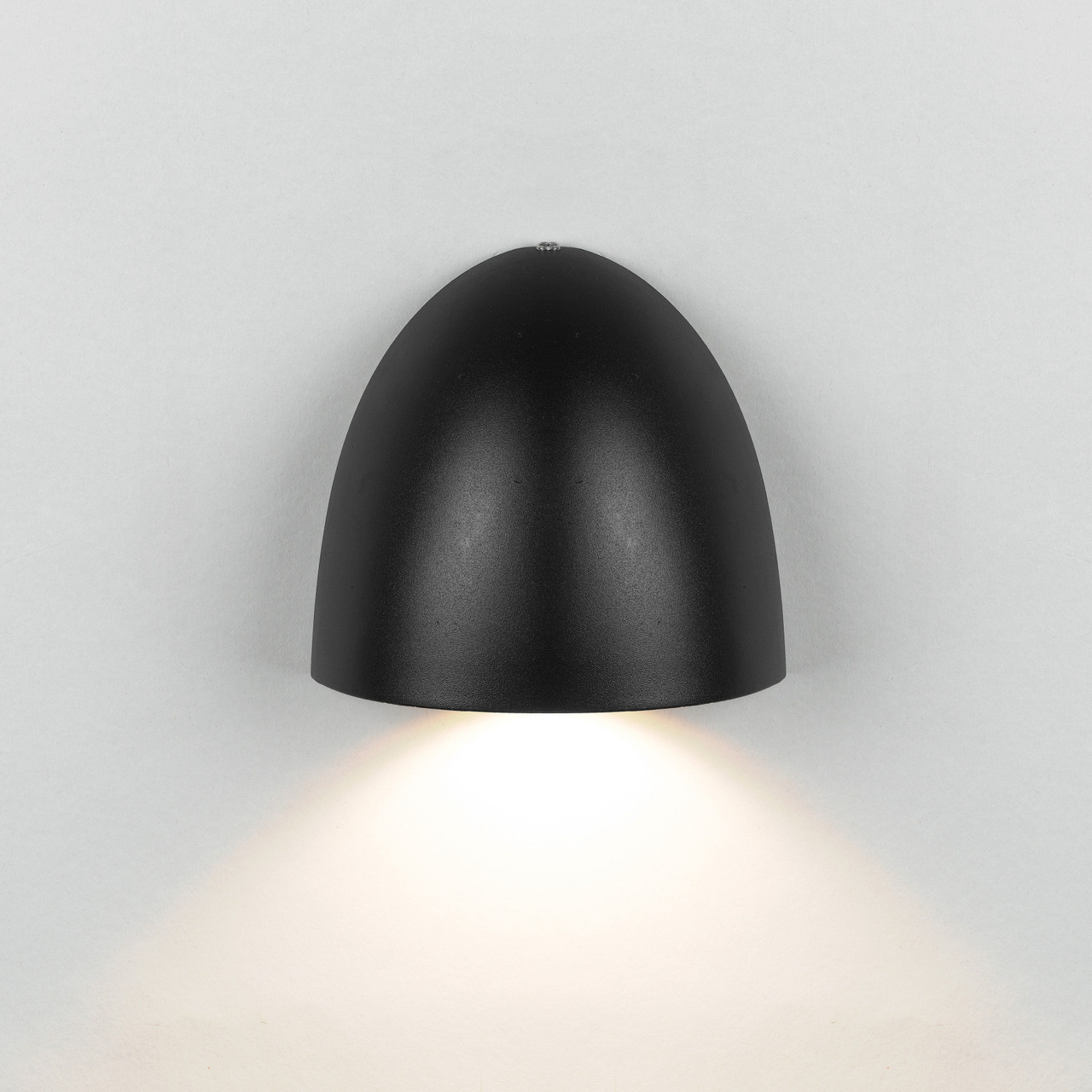 |
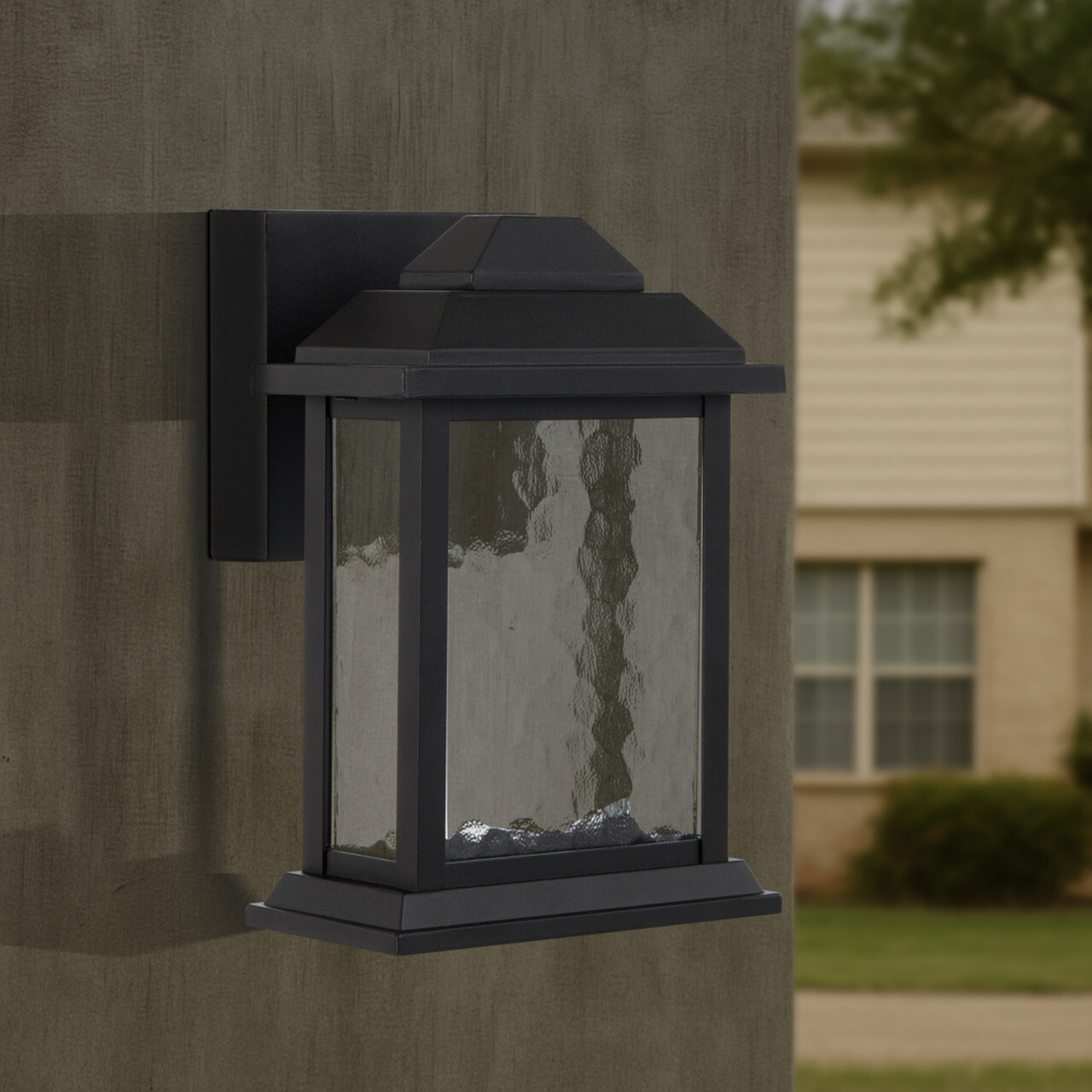
Selecting the perfect outdoor wall lights requires balancing aesthetic appeal with practical performance, particularly in Australia's diverse climate conditions. These versatile fixtures serve as both functional illuminators and design statements, capable of transforming ordinary exterior walls into sophisticated focal points that enhance your home's architectural character.
LED outdoor lighting technology has revolutionised outdoor lighting, offering exceptional energy efficiency and remarkable longevity that makes it ideal for Australian conditions. These advanced fixtures consume significantly less power than traditional alternatives while delivering superior light quality and colour consistency. The extended lifespan of LED systems, which often exceeds 25,000 hours, means fewer replacements and reduced maintenance costs over time.
Security considerations play a crucial role in fixture selection, with motion-activated lights providing both deterrent value and energy conservation. These intelligent systems remain dormant during quiet periods, springing to life when movement is detected, creating an effective security presence while minimising power consumption. Photocell-equipped fixtures offer another layer of automation, automatically adjusting to natural light levels throughout the day.
Durability becomes paramount when selecting fixtures for Australia's challenging weather conditions. Marine-grade stainless steel, solid brass, and powder-coated aluminium offer superior resistance to coastal salt air, intense UV radiation, and temperature extremes. The IP (Ingress Protection) rating system provides clear guidance on weather resistance, which fixtures rated IP65 or higher ensure reliable performance in exposed locations.
Scale and proportion significantly impact the visual success of wall-mounted fixtures. For entrance areas, a single fixture should measure approximately one-third the height of the door it illuminates, while paired fixtures can be proportionally smaller. Consider the architectural style of your home when making selections. Contemporary designs benefit from clean, geometric forms, while traditional architecture calls for more ornate, classical styling that complements existing design elements.
As you consider your options, you might wonder about the energy source that will power your lights. Let's compare solar outdoor lights with traditional lighting systems to help you make an informed decision.
Solar outdoor lights vs traditional lighting systems
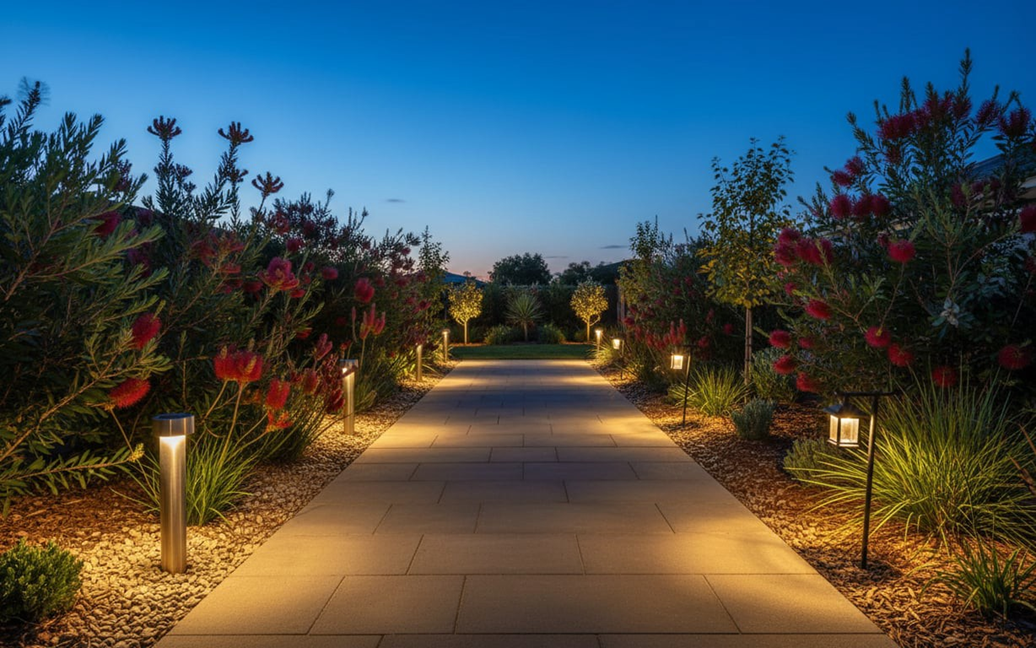
The choice between solar outdoor lights and traditional wired lighting systems represents one of the most significant decisions in outdoor lighting design, each offering distinct advantages that suit different applications and preferences. Understanding these differences ensures you select the most appropriate solution for your specific needs and circumstances.
Solar outdoor light systems harness Australia's abundant sunshine through photovoltaic cells, converting solar energy into stored electrical power that illuminates LED fixtures throughout the night. This self-contained approach eliminates the need for complex wiring installations and reduces ongoing electricity costs, making solar solutions particularly attractive for remote locations or areas where trenching for cables would be challenging or expensive.
The performance of solar fixtures depends heavily on their exposure to direct sunlight during charging hours. In Australia's varied climate zones, this generally provides excellent results, though positioning becomes critical for performance. Areas with consistent shade from trees, buildings, or other structures may experience reduced charging capacity, affecting illumination duration and intensity during longer winter nights.
Traditional LED outdoor lighting systems connected to mains power offer consistent, reliable performance regardless of weather conditions or seasonal variations. These systems provide greater control over brightness levels, timing, and special effects, making them ideal for sophisticated lighting schemes that require precise coordination. Professional installation ensures placement and performance meet your design objectives, though this represents a higher initial investment compared to solar alternatives.
The placement strategy differs significantly between these systems. Solar fixtures require careful positioning to maximise sun exposure while achieving desired lighting effects, sometimes creating compromises between charging needs and illumination angles. Traditional systems offer complete flexibility in placement, limited only by practical wiring considerations and design objectives.
With the power source decided, let's turn our attention to specific areas of your property. Discover inspiring outdoor garden lights ideas tailored for different spaces.
Outdoor garden lights ideas for different spaces
Creating distinctive lighting schemes for various outdoor spaces requires understanding how different areas function and adapting your approach to enhance both their practical utility and aesthetic appeal. Each zone of your outdoor environment presents unique opportunities to craft memorable lighting experiences that reflect your personal style while serving specific functional needs.
Patio spaces benefit from intimate, layered lighting that encourages relaxation and social interaction. String lights suspended overhead create a canopy of warm illumination that defines the space while providing gentle ambient lighting for evening gatherings. Complement this with strategically placed lanterns or wall-mounted fixtures that offer task lighting for dining and conversation areas. The key lies in creating multiple light sources at varying heights to establish visual depth and prevent harsh shadows.
Deck lighting prioritises safety while maintaining aesthetic appeal, requiring careful attention to level changes, railings, and traffic patterns. Recessed step lights embedded in risers provide essential safety illumination without creating visual clutter, while railing-mounted fixtures offer both functional lighting and decorative appeal. Post cap lights serve dual purposes, marking boundaries while contributing to the overall lighting scheme with their architectural presence.
Garden bed illumination transforms planted areas into nighttime showcases that highlight seasonal changes and prized specimens. Low-voltage spotlights positioned to graze across textured foliage create dramatic shadow patterns, while uplighting techniques can transform specimen trees into sculptural focal points. Path lights woven through garden beds guide movement while creating pools of gentle illumination that reveal the garden's structure and seasonal beauty.
Pergola and gazebo structures offer excellent opportunities for creative lighting integration. Built-in fixtures can be incorporated during construction, while retrofit solutions allow existing structures to be enhanced with carefully selected lighting elements. Consider how the lighting will interact with climbing plants and seasonal growth, ensuring fixtures remain accessible for maintenance while creating enchanting illuminated retreats.
Beyond the general garden, trees and pathways deserve special attention. Let's delve into landscape lighting techniques specifically designed for these elements.
Landscape lighting techniques for trees and pathways
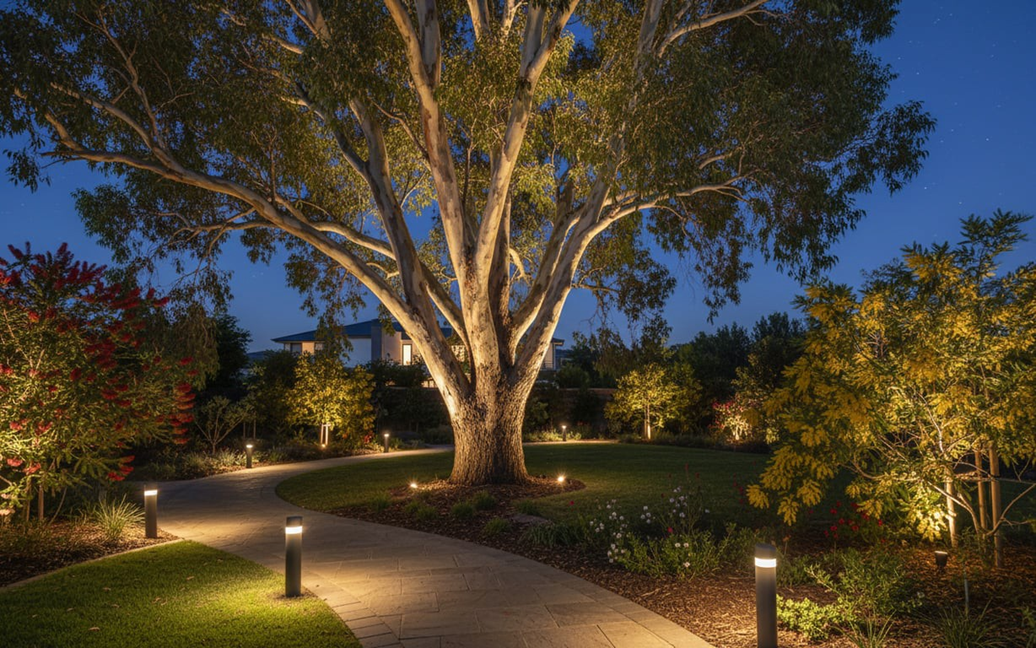
Mastering the art of landscape lighting requires understanding how light interacts with natural forms and textures to create dramatic nighttime scenes that rival the beauty of daylight hours. Trees and pathways form the backbone of most landscape lighting schemes, providing structure and movement that guide the eye through your outdoor environment.
Tree lighting techniques vary significantly based on species, size, and desired effect. Uplighting remains the most popular approach, using ground-mounted fixtures to wash light upward through the canopy, creating spectacular silhouettes against the night sky. For smaller trees under six metres, two strategically placed 20-watt fixtures typically provide adequate illumination, while mature specimens may require three to five higher-wattage fixtures to achieve proper coverage.
The positioning of tree lights requires careful consideration of both the trunk structure and canopy characteristics. Illuminating only the trunk creates an unnatural "floating" effect, while lighting only the canopy loses the tree's structural beauty. The most effective approach combines both elements, using fixtures positioned to highlight the trunk's texture while allowing light to filter through the foliage, creating intricate shadow patterns on surrounding surfaces.
Pathway illumination serves the dual purpose of ensuring safe navigation while creating visual continuity throughout your landscape lighting design. The most effective pathway lighting ideas remain subtle and unobtrusive, providing adequate illumination without overwhelming the surrounding environment. Fixtures should be positioned to eliminate dark spots while avoiding glare that could impair night vision.
Consider the pathway's material and width when selecting lighting techniques. Narrow garden paths benefit from alternating fixture placement that creates gentle pools of overlapping light, while wider walkways may require fixtures on both sides to ensure even coverage. Ground-recessed fixtures offer a clean, uncluttered appearance but require careful waterproofing and drainage considerations in Australia's varied climate conditions.
With your trees and pathways beautifully lit, let's move to the heart of outdoor living: backyard entertaining areas. Discover lighting ideas backyard to create the perfect ambience for your gatherings.
Lighting ideas for backyard entertaining areas
Transforming your backyard into an enchanting entertainment venue requires thoughtful lighting design that creates atmosphere while ensuring functionality for various activities. The most successful entertaining spaces feature flexible lighting schemes that can adapt to different occasions, from intimate dinner parties to larger celebrations.
Festoon lights ideas have emerged as a favourite choice for creating instant ambience in entertaining areas. These decorative string lights, suspended between posts, trees, or structures, provide warm, diffused illumination that encourages relaxation and conversation. The gentle glow creates an intimate atmosphere while offering sufficient light for dining and socialising. Modern LED festoon lights offer improved durability and energy efficiency compared to traditional incandescent versions.
Alfresco lighting ideas require careful attention to task lighting that enhances the dining experience without creating harsh shadows or glare. Pendant lights suspended over dining tables provide focused illumination for meals, while perimeter lighting ensures safe movement around the space. Consider dimmable options that allow you to adjust brightness levels throughout the evening as activities transition from dining to relaxation.
Fire features and outdoor kitchens benefit from accent lighting that highlights these focal points while providing practical illumination for food preparation and safety. Under-counter lighting in outdoor kitchens ensures adequate task lighting for cooking, while subtle uplighting around fire pits or fireplaces enhances their dramatic appeal without competing with the natural flame light.
Creating zones within larger entertaining areas allows for multiple activities to occur simultaneously. Conversation areas might feature softer ambient lighting, while game or activity zones require brighter, more focused illumination. This zoned approach ensures your backyard can accommodate various entertainment styles and guest preferences throughout the evening.
For homeowners with pools or water features, specialised lighting can elevate these areas to new heights. Let's explore lighting techniques tailored for these aquatic elements.
Specialised lighting for pools and water features
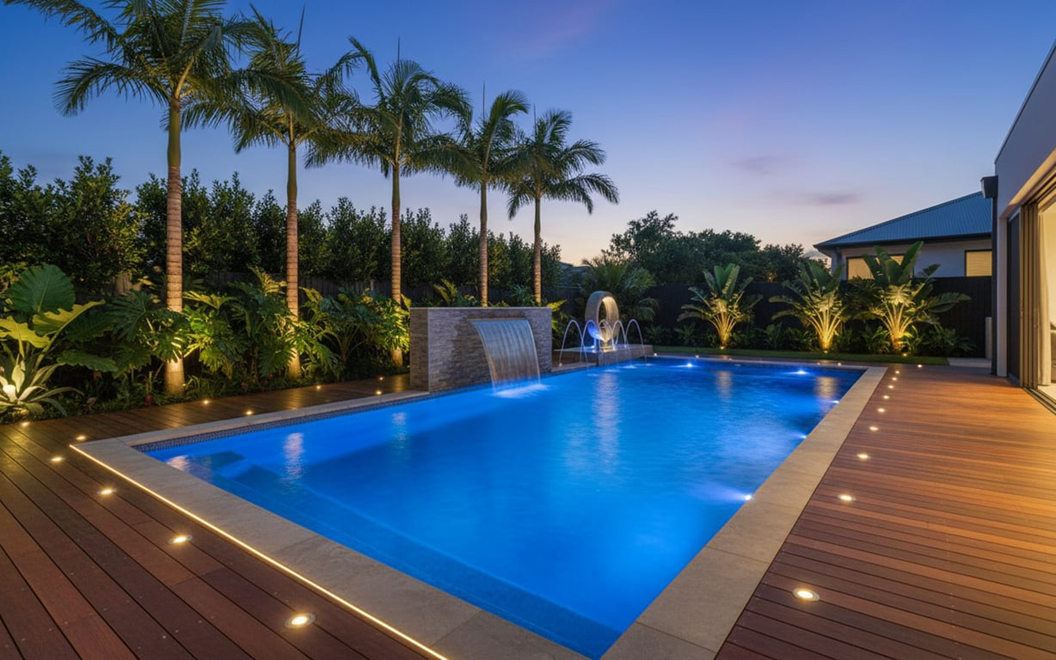
Water features present unique opportunities and challenges in outdoor lighting design, requiring specialised fixtures and techniques that prioritise safety while creating stunning visual effects. The interplay between light and water creates some of the most dramatic and memorable elements in landscape lighting schemes.
Pool lighting ideas serve both practical and aesthetic purposes, ensuring safe navigation around the pool area while transforming the water into a luminous focal point. Underwater LED fixtures create spectacular effects, turning the pool into a glowing jewel that becomes the centrepiece of your nighttime landscape. Modern underwater lighting systems offer colour-changing capabilities that can adapt to different moods and occasions.
Safety considerations become paramount when combining electricity and water. All fixtures must carry appropriate IP ratings for submersible or water-resistant applications, and installation should always be performed by qualified professionals familiar with pool electrical requirements. Ground fault circuit interrupters (GFCI) provide essential protection against electrical hazards in wet environments.
Water feature lighting techniques vary based on the type and scale of the feature. Fountains benefit from uplighting that illuminates water streams and spray patterns, creating dynamic displays that change with water movement. Pond lighting might combine underwater fixtures with perimeter lighting that highlights surrounding plantings and hardscape elements. Waterfall features can be dramatically enhanced with lighting positioned to graze across the falling water, creating shimmering curtains of light that capture the eye and imagination.
Finally, let's not forget the first impression your home makes. Explore front yard lights and home exterior lighting strategies to enhance curb appeal and security.
Front yard lights and home exterior lighting strategies
Your home's front yard lights and exterior lighting create the first impression for visitors while establishing your property's nighttime presence in the neighbourhood. Effective exterior lighting strategies balance curb appeal enhancement with practical considerations of security, safety, and energy efficiency.
Architectural lighting forms the foundation of most front yard light schemes, using carefully positioned fixtures to highlight your home's distinctive features and design elements. Uplighting techniques can emphasise columns, archways, or textural wall surfaces, while downlighting from eaves or trees provides gentle illumination of entrance areas and landscaping. The goal is to create depth and dimension that showcases your home's character after dark.
Entrance lighting requires particular attention to both functionality and welcome appeal. Well-lit entryways ensure safe navigation while creating an inviting atmosphere for guests. Wall-mounted fixtures flanking the front door provide balanced illumination, while pendant lights or chandeliers in covered entry areas add elegance and style. Consider the scale of your entrance when selecting fixtures. Oversized elements can overwhelm smaller entries, while undersized fixtures may appear insignificant on larger facades.
Pathway and driveway lighting ensures safe navigation while contributing to the overall design scheme. Edge lighting along driveways provides clear guidance for vehicles, while pathway fixtures create welcoming routes to your entrance. Solar-powered options work well for pathway applications, offering easy installation and automatic operation without ongoing electrical costs.
Landscape lighting in front yards should complement rather than compete with architectural elements. Specimen trees, garden beds, and hardscape features can be selectively illuminated to create visual interest and depth. The key lies in restraint, overlighting can create a commercial appearance that detracts from your home's residential character. Focus on highlighting your property's best features while maintaining a sophisticated, welcoming atmosphere.
Before you begin your project, consider these essential installation and maintenance factors for long-lasting outdoor lighting systems.
Installation and maintenance considerations
Successful outdoor lighting systems require careful planning for both installation and ongoing maintenance to ensure performance and longevity. Professional installation is recommended for complex systems or any work involving mains electrical connections, ensuring compliance with Australian electrical standards and safety requirements.
Proper outdoor lighting placement strategies consider both immediate lighting needs and future landscape changes. Trees and shrubs will grow and change over time, potentially affecting light patterns and fixture accessibility. Plan for this growth by selecting adjustable fixtures where possible and ensuring maintenance access remains clear. Regular cleaning and inspection schedules help identify potential issues before they become costly problems, while LED outdoor lighting's extended lifespan reduces the frequency of bulb replacements and system updates.
Crafting Your Illuminated Oasis
Elevating your Australian home with a thoughtfully designed outdoor lighting scheme is an investment in both beauty and lifestyle. By understanding the principles of lighting design and choosing the right fixtures for each space, you can transform your property into a captivating evening retreat. At Zest Lighting, our curated outdoor lighting range makes it easy to bring your vision to life, which perfectly complementing your home’s architecture and your personal style. With the right planning, your illuminated oasis is closer than you think.